Mapping Virtual Point Systems to Live Festival Access Paths for New Players Entering Nordic Circuits
Nils Ludwig · Nov 20, 2026
Mapping Virtual Point Systems to Live Festival Access Paths for New Players Entering Nordic Circuits
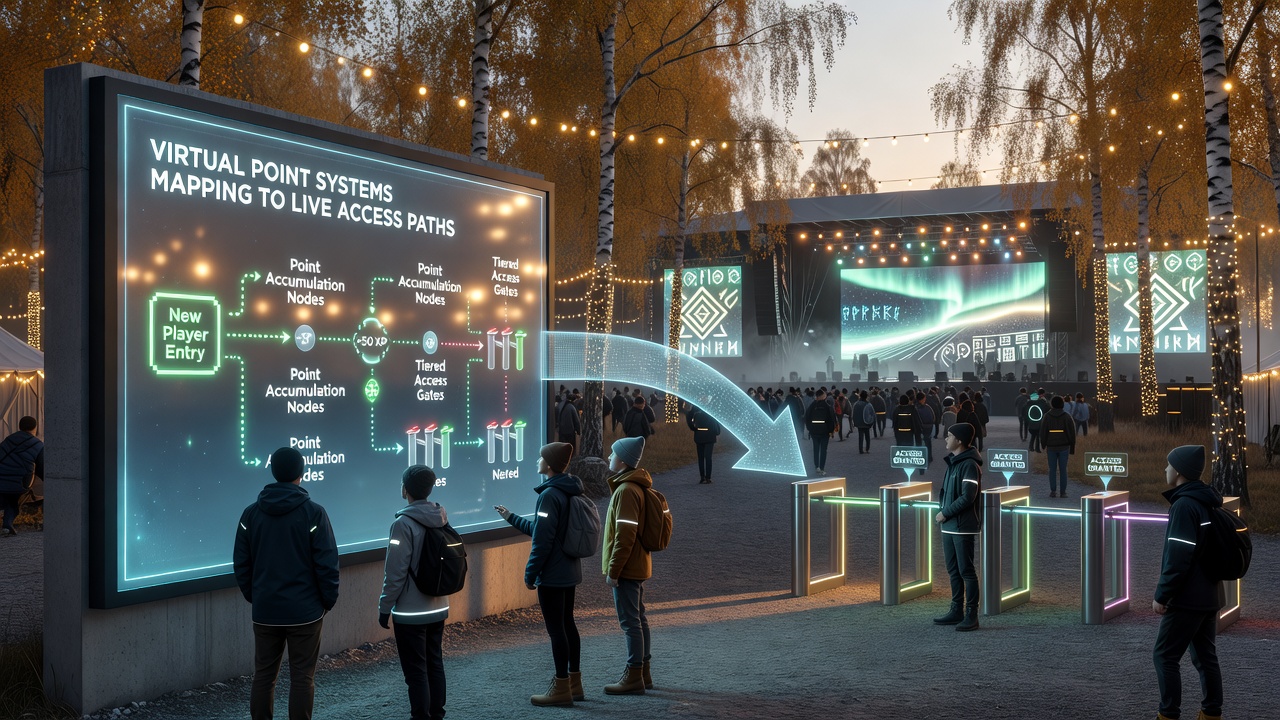
Virtual point systems operate as structured frameworks where online poker activity converts into measurable credits that unlock entry routes for live festivals across Nordic countries, and these mechanisms have expanded steadily since the early 2020s as platforms integrate digital leaderboards with physical event qualifications.
Core Mechanics of Point Accumulation
Players earn points through ranked online tournaments, cash game volume, and leaderboard placements, while each platform maintains its own conversion tables that align accumulated totals with festival access tiers; data from regulatory filings shows that major operators track millions of such transactions annually, and the process requires consistent participation over set periods rather than single high-stakes results.
Systems typically divide points into categories such as tournament performance multipliers and loyalty bonuses, yet the mapping to live events demands that totals meet minimum thresholds published months in advance, and new entrants often begin by focusing on mid-stakes online series that feed directly into regional qualifier brackets.
Pathways from Digital Leaderboards to Nordic Live Events
Once points reach designated levels, players receive digital vouchers or priority registration codes that grant seats at live stops in cities like Stockholm, Copenhagen, and Helsinki, whereas lower totals may route individuals through satellite tournaments held both online and at casino venues; industry reports indicate that several Nordic circuits now allocate up to thirty percent of festival fields through these virtual-to-live bridges.
Observers note that November 2026 schedules include multiple combined online-live festival packages where point earners can bypass standard buy-in queues, and the structure favors participants who maintain steady activity across both formats rather than isolated peaks in either domain.
Entry Requirements for New Participants
New players entering these circuits start by registering on licensed platforms that participate in Nordic point-sharing agreements, and verification of identity plus compliance with age and residency rules precedes any point tracking; according to records maintained by the Swedish Gambling Authority, operators must publish clear conversion rates and expiry dates for accumulated credits to maintain transparency.
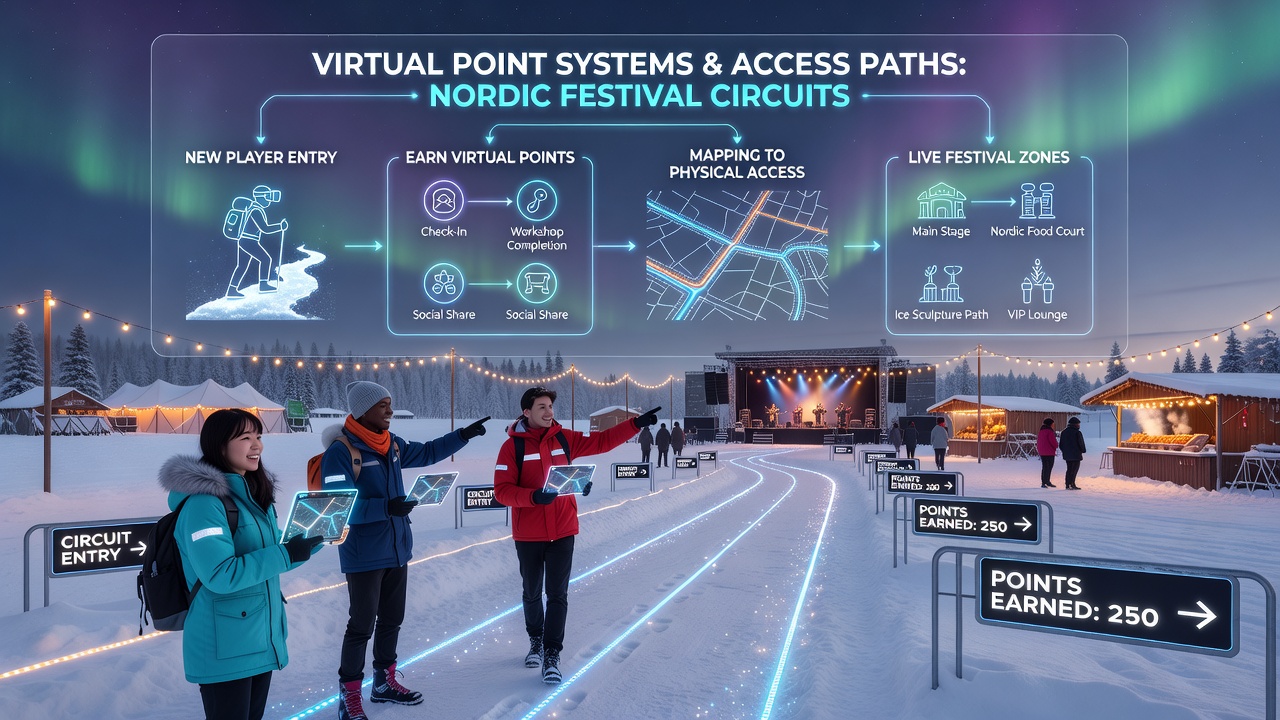
Eligibility further depends on regional licensing, so individuals based in Sweden, Norway, or Denmark must use locally approved sites whose point systems feed into the same live festival calendars, while cross-border movement remains possible once points convert to confirmed entries; case examples from past seasons reveal that many first-time qualifiers secured access after three to six months of targeted online volume.
Integration with Festival Calendars and Qualification Layers
Festival organizers coordinate with online partners to set point thresholds that correspond to specific event packages, and these layers often include direct entries, travel stipends, or hotel allocations for top accumulators; figures released by participating circuits show that layered incentive structures increased newcomer participation rates by measurable margins in recent years.
One documented pathway involves completing online leaderboards that feed into live satellites at host casinos, whereas another route allows point redemption for full festival passes that include side events and cash game privileges; the process remains fully auditable through platform dashboards that display remaining requirements in real time.
Regulatory Framework Supporting Point-to-Live Mapping
Authorities across the Nordic region require that virtual point systems operate under the same consumer protection standards applied to direct tournament entries, and this includes mandatory disclosure of conversion algorithms plus independent audits of point distribution; research compiled by the European Gaming and Betting Association highlights how such oversight reduces disputes over qualification eligibility.
Operators must also ensure that point expiration policies do not disadvantage players who accumulate credits gradually, and data from compliance reports confirms that most systems reset annually to align with festival seasons rather than calendar years.
Conclusion
The mapping of virtual point systems to live festival access continues to evolve through coordinated platform agreements and regulatory updates, while new players gain structured entry routes that reward sustained online engagement with opportunities at Nordic events scheduled throughout 2026 and beyond; those who review published thresholds and maintain compliance records position themselves to navigate these pathways effectively.